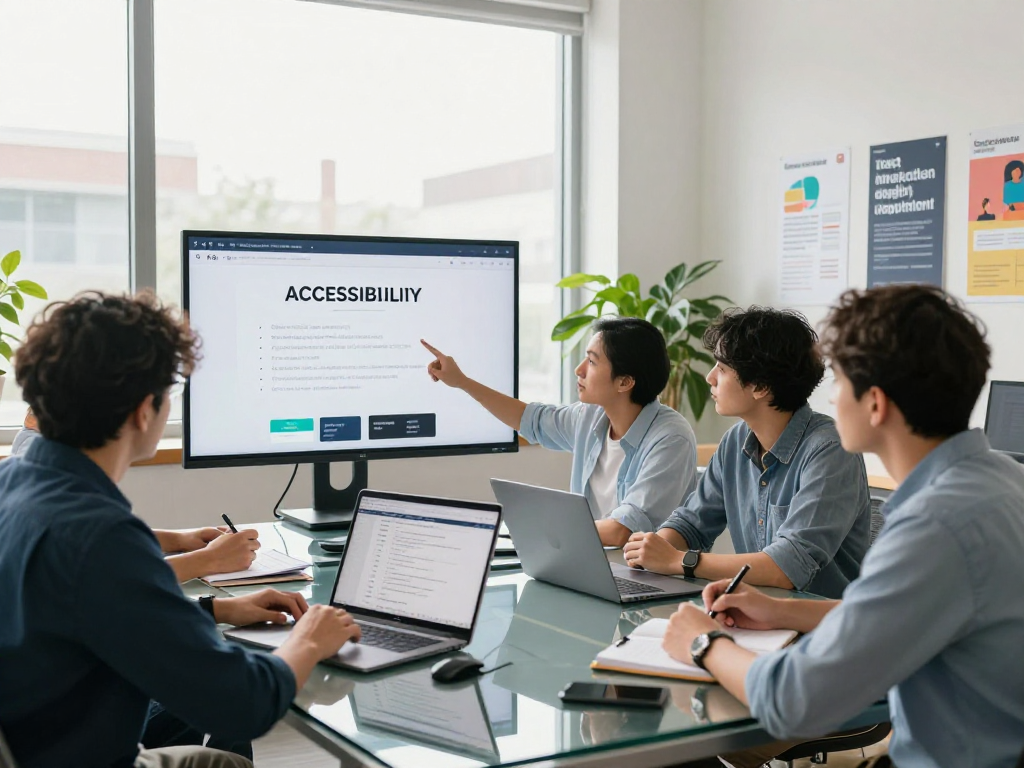
Understanding the Importance of Barrierefreie und rechtssichere Webseiten
In today's digital landscape, the significance of accessible and legally compliant websites cannot be overstated. With the Barrierefreiheitsstärkungsgesetz (BFSG) set to take effect in June 2025, businesses must prioritize creating Barrierefreie und rechtssichere Webseiten Dienstleistung to meet legal standards while enhancing user experience. An accessible website ensures that all individuals, regardless of their abilities, can engage with digital content effectively. Moreover, legal compliance fosters a trustworthy brand image and can diversify the customer base, opening doors to previously untapped markets.
What Are Accessibility and Legal Compliance?
Accessibility refers to the design of websites that enable all individuals, including those with disabilities, to perceive, navigate, and interact with the web. Legal compliance, on the other hand, is the obligation to adhere to specific laws and regulations, such as the BFSG, which mandates that certain websites be accessible to individuals with disabilities. Without proper compliance, businesses risk facing legal repercussions and potential financial penalties.
Why Every Business Needs Accessible Websites
Every business can benefit from an accessible website. The increasing awareness and advocacy for disability rights mean that customers expect brands to provide accessible services. As more people navigate the digital world through assistive technologies, creating inclusive websites not only fulfills a moral obligation but also boosts a company's reputation. Accessibility enhances your reach, allowing businesses to connect with a broader audience and improve customer loyalty.
Impact on User Experience and Brand Trust
User experience is paramount in retaining customers. Websites that are difficult to navigate can frustrate users, driving them away. A seamless, accessible experience reflects positively on a brand, establishing trust and loyalty among users. Furthermore, clients and consumers are more likely to support companies that demonstrate social responsibility by valuing inclusivity.
Legal Framework: The Barrierefreiheitsstärkungsgesetz (BFSG)
The BFSG is a significant legislative measure aimed at strengthening the accessibility of digital offerings in Germany. This law is designed to ensure that websites and applications are usable for individuals with disabilities, aligning with the European Union’s directive on web accessibility.
Who Is Affected by the BFSG?
The BFSG primarily impacts businesses that employ more than ten people and have an annual turnover exceeding 2 million euros, particularly those that offer digital services. This includes sectors such as banking, healthcare, education, and e-commerce, where websites facilitate transactions or essential services. Notably, small enterprises might be exempt unless they provide specific products requiring accessibility.
Key Requirements for Compliance
To comply with the BFSG, businesses must adhere to the Web Content Accessibility Guidelines (WCAG) 2.1, focusing on Level AA standards, which encompass a range of criteria that enhance accessibility. Key requirements include:
- Providing text alternatives for non-text content
- Ensuring that all functionalities are operable through a keyboard interface
- Offering captions for audio and video content
- Implementing clear navigation and consistent layout
Implications for Future Legal Standards
As digital accessibility continues to evolve, the BFSG sets a precedent for future legislation. Companies that proactively develop accessible websites will not only satisfy current regulations but will also be better equipped to adapt to emerging legal frameworks. This foresight safeguards against future liabilities and positions businesses as leaders in ethical digital practices.
The POUR Principles of Accessibility
The POUR principles—Perceivable, Operable, Understandable, and Robust—form the foundation of web accessibility. Embracing these principles ensures that websites are designed with inclusivity in mind.
Perceivable: Making Information Accessible
Content must be presented in a way that individuals can perceive it, which includes having text alternatives for images and using sufficient contrast to make text legible. For instance, ensuring that all images have descriptive alt text enables individuals using screen readers to understand the content.
Operable: Ensuring User Interaction
For websites to be operable, all functions must be accessible without requiring users to use a mouse. This means designing forms and navigation that can be utilized via keyboard shortcuts. Providing visible focus indicators is also essential for users navigating through assistive technologies.
Understandable: Clear Information Presentation
Websites should present information in a clear and logical manner. This includes using simple language, consistent terminology, and intuitive navigation paths. Clear instructions and labels can significantly enhance comprehension for all users.
Steps to Create Barrierefreie Webseiten
Creating accessible websites is a systematic process that involves multiple stages. From initial audits to ongoing evaluation, businesses must engage in continuous improvement.
Conducting Accessibility Audits
An accessibility audit evaluates a website’s current state against established guidelines, identifying areas needing improvement. Tools like Wave and Axe can facilitate this process by highlighting accessibility errors and suggesting corrective measures.
Implementing Design Changes for Compliance
Once an audit is completed, businesses should prioritize implementing necessary design changes. This could range from adjusting color contrasts to revising the structure of web pages to ensure they are compliant with WCAG standards.
Testing and Feedback Loops
Regular user testing involving people with disabilities is crucial for receiving feedback on the accessibility of the website. Integrating this feedback into the design process fosters continual improvement, ensuring all users have a satisfying experience.
Benefits of an Accessible Website for Businesses
Investing in accessibility not only fulfills legal obligations but also brings several business benefits, contributing to a more inclusive digital environment.
Enhanced User Satisfaction and Engagement
Accessible websites provide a better user experience, leading to increased satisfaction and longer site visits. Engaged users are more likely to convert into loyal customers who advocate for the brand within their communities.
Boosting SEO and Online Visibility
Accessibility features like text alternatives for images and clear semantic structures enhance search engine optimization (SEO). Search engines favor websites that are well-structured and informative, which can lead to improved rankings and visibility.
Long-Term Cost Savings and Risk Mitigation
Proactively addressing accessibility reduces the risks of litigation and penalties associated with non-compliance. Moreover, accessible design often translates into cost savings through fewer customer support inquiries and increased conversion rates.
How Can You Get Started?
Businesses looking to enhance their web accessibility should begin with a thorough audit of their existing digital platforms. From there, create a strategic plan that outlines necessary changes and allocate resources accordingly.
What Are the Costs Involved in Compliance?
The costs associated with ensuring web accessibility can vary significantly based on the size and complexity of the project. However, the investment is justified by the potential for increased traffic and customer loyalty.
When Will the BFSG Take Effect?
The BFSG will officially come into effect on June 28, 2025, necessitating immediate action from affected businesses. Understanding the requirements ahead of time will allow for smoother transitions and compliance.