
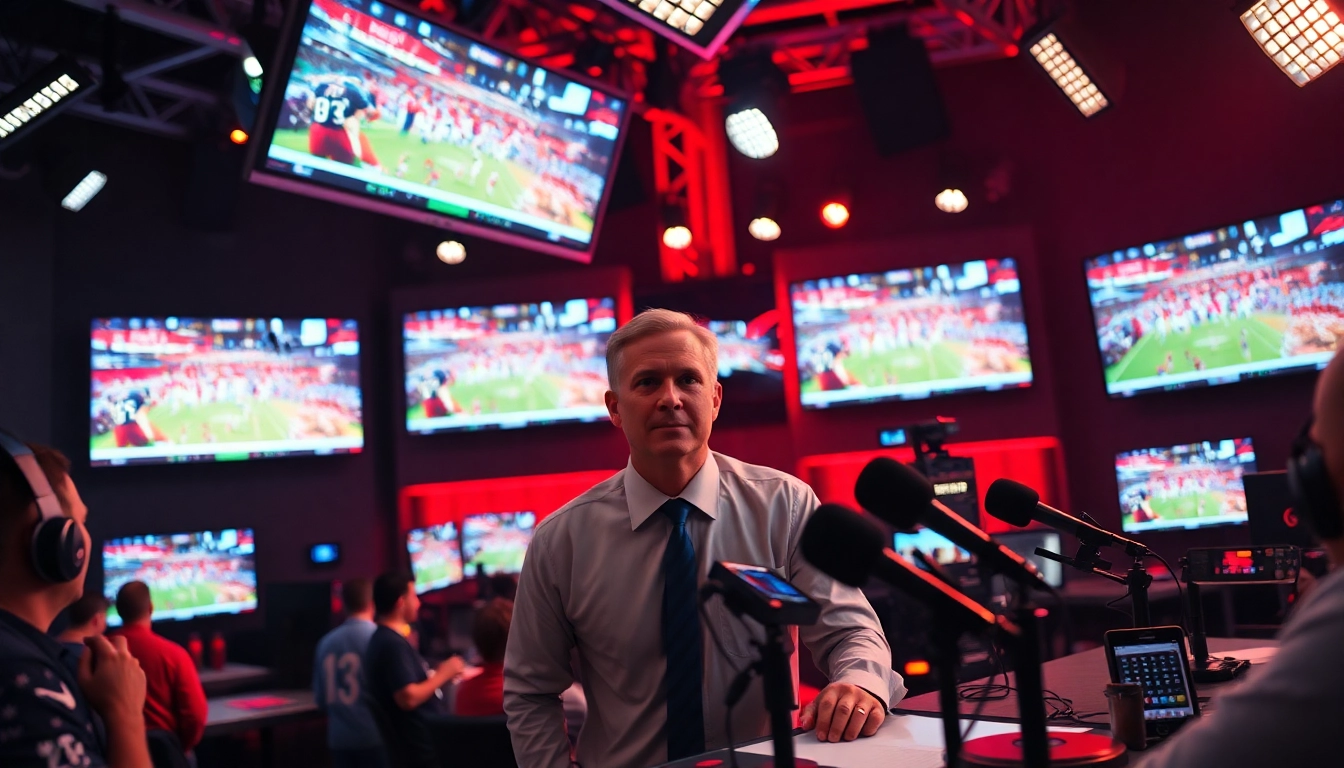
Understanding Sports Broadcasting
Sports Broadcasting has evolved into a significant component of how audiences engage with sports, offering live events, analyses, and commentary across multiple platforms. It encompasses television, radio, online streaming, and social media, creating an immersive experience for fans. As a discipline, Sports Broadcasting blends technology, creativity, and storytelling, providing insights into the athletic industry and facilitating connections between athletes and fans.
What is Sports Broadcasting?
At its core, Sports Broadcasting refers to the dissemination of sports-related content through various media channels. This can include live telecasts of games, pre and post-match analyses, highlights, interviews, and insightful commentary from sports experts. The goal of sports broadcasting is to inform, entertain, and engage viewers, helping them feel a part of the sporting experience.
Historical Overview of Sports Broadcasting
The roots of sports broadcasting trace back to the early 20th century, with radio broadcasts of major sporting events like the 1921 championship boxing match between Jack Dempsey and Georges Carpentier. The advent of television in the mid-20th century revolutionized the industry, allowing fans to watch games live, which propelled the popularity of sports immensely. Landmark events such as the first televised Super Bowl in 1967 and the rise of cable sports networks in the 1980s further solidified sports broadcasting as a staple of American entertainment.
Importance of Sports Broadcasting Today
Today, sports broadcasting serves as a vital channel for revenue generation through advertising, sponsorships, and partnerships. It enhances viewer experience through high-quality production, expert commentary, and interactive features. This engagement not only fan base loyalty but also strengthens brand relationships with audiences, positioning sports broadcasting as an essential pillar in the business of sports.
Key Techniques in Sports Broadcasting
On-Air Presentation Skills
Effective presentation skills are critical for any sports broadcaster. Hosts and commentators must command attention, create excitement, and convey information clearly. This requires an engaging delivery, active listening, and the ability to respond to live events and audience inquiries. Training in public speaking and voice modulation can significantly enhance a broadcaster’s effectiveness.
Technical Aspects of Broadcasting
Understanding the technical components of broadcasting is crucial for delivering high-quality content. Broadcasters must be proficient in using camera equipment, audio systems, and editing software. Knowledge of broadcasting technology such as satellite transmissions, codecs, and streaming protocols ensures seamless production and distribution of sports events.
Engaging Viewers Through Storytelling
Storytelling is a powerful technique in sports broadcasting that goes beyond mere statistics and play-by-play descriptions. Effective broadcasters weave narratives around athletes, teams, and events, creating emotional connections with their audience. This narrative-driven approach fosters viewer investment in the stories behind the sport, enhancing the overall viewing experience.
Essential Tools and Equipment
Broadcasting Software Options
Broadcasters today have access to numerous software solutions that streamline production processes. Tools for video editing like Adobe Premiere Pro or Final Cut Pro are indispensable for producing high-quality highlights. Similarly, broadcasting software such as OBS Studio or vMix allows for live streaming integration and enhanced production capabilities, offering broadcasters flexibility and control.
Audio and Visual Equipment
High-quality audio and visual equipment are fundamental in sports broadcasting. High-definition cameras capture the action from multiple angles, while professional microphones ensure clear commentary. Utilizing wireless technology for audio capture and softbox lights for video quality can significantly enhance the overall broadcast experience, creating a more polished and professional presentation.
Remote Broadcasting Technologies
As remote broadcasts become more prevalent, understanding the array of technologies available is essential. Tools like satellite trucks and mobile units allow for live broadcasts from various locations, while advancements in 5G technology facilitate smoother transmissions and real-time reporting from the field. Remote broadcasting is key to covering events occurring anywhere globally without traditional studio constraints.
Current Trends in Sports Broadcasting
Rise of Streaming Services
The shift toward streaming services has transformed how audiences consume sports. Networks are increasingly developing applications that provide on-demand access to live and archived events. Services such as Amazon Prime Video and ESPN+ are leading the charge, allowing fans to curate their sports experiences while contributing to a decline in traditional cable subscriptions.
Interactive Broadcasting Features
Interactive features are emerging as a game-changer in sports broadcasting. Broadcasters are incorporating real-time statistics, social media engagement, and viewer polls to create a more dynamic and immersive experience. These enhancements not only keep viewers engaged but also provide them with a sense of participation in the event, fundamentally changing how they connect with sports content.
Impact of Social Media on Sports Broadcasting
Social media has significantly impacted sports broadcasting, serving as a platform for real-time updates, behind-the-scenes content, and audience interaction. Broadcasters leverage platforms like Twitter, Instagram, and TikTok to reach younger audiences while fostering community engagement. This blend of traditional broadcasting and social media not only enhances visibility but also drives viewership and audience loyalty.
Measuring Success in Sports Broadcasting
Key Performance Indicators (KPIs)
Evaluating the success of sports broadcasting requires a solid understanding of Key Performance Indicators (KPIs). Metrics such as viewership numbers, audience engagement rates, and comments or shares play a crucial role in assessing performance. These metrics allow broadcasters to refine their strategies and produce content that resonates with their audience.
Strategies for Audience Engagement
To effectively engage with audiences, broadcasters must adopt multi-platform strategies that cater to diverse viewer preferences. This includes utilizing social media for instant updates, offering exclusive behind-the-scenes footage, and encouraging interactive viewer participation through polls or live chats. Crafting a viewer-centric approach enhances loyalty and keeps audiences coming back for more.
Case Studies and Success Stories
Examining successful sports broadcasting case studies provides invaluable insights into effective strategies. For instance, the NBA’s partnership with Twitch for interactive live streams showcases how engagement can be amplified through innovative platforms. Similarly, the success of ESPN’s „30 for 30“ series demonstrates the power of storytelling in sports broadcast, creating culturally relevant narratives that strike a chord with audiences.
FAQs About Sports Broadcasting
What qualifications do sports broadcasters need?
While formal education isn’t always mandatory, many broadcasters have degrees in journalism or communications. Skills in public speaking, writing, and technology are essential for success.
How has streaming changed sports broadcasting?
Streaming has revolutionized sports broadcasting by providing on-demand access and enabling broader distribution options, challenging traditional cable models.
What role does social media play in sports broadcasting?
Social media enhances viewer engagement, providing real-time interaction and community building around events, while also serving as a distribution channel for content.
How do broadcasters measure audience engagement?
Audience engagement is typically measured through metrics like viewership numbers, audience retention rates, and interactions on social media platforms.
What trends are shaping the future of sports broadcasting?
The rise of streaming services, interactive features, and VR technology are significant trends shaping the future of sports broadcasting, enhancing viewer experience.