
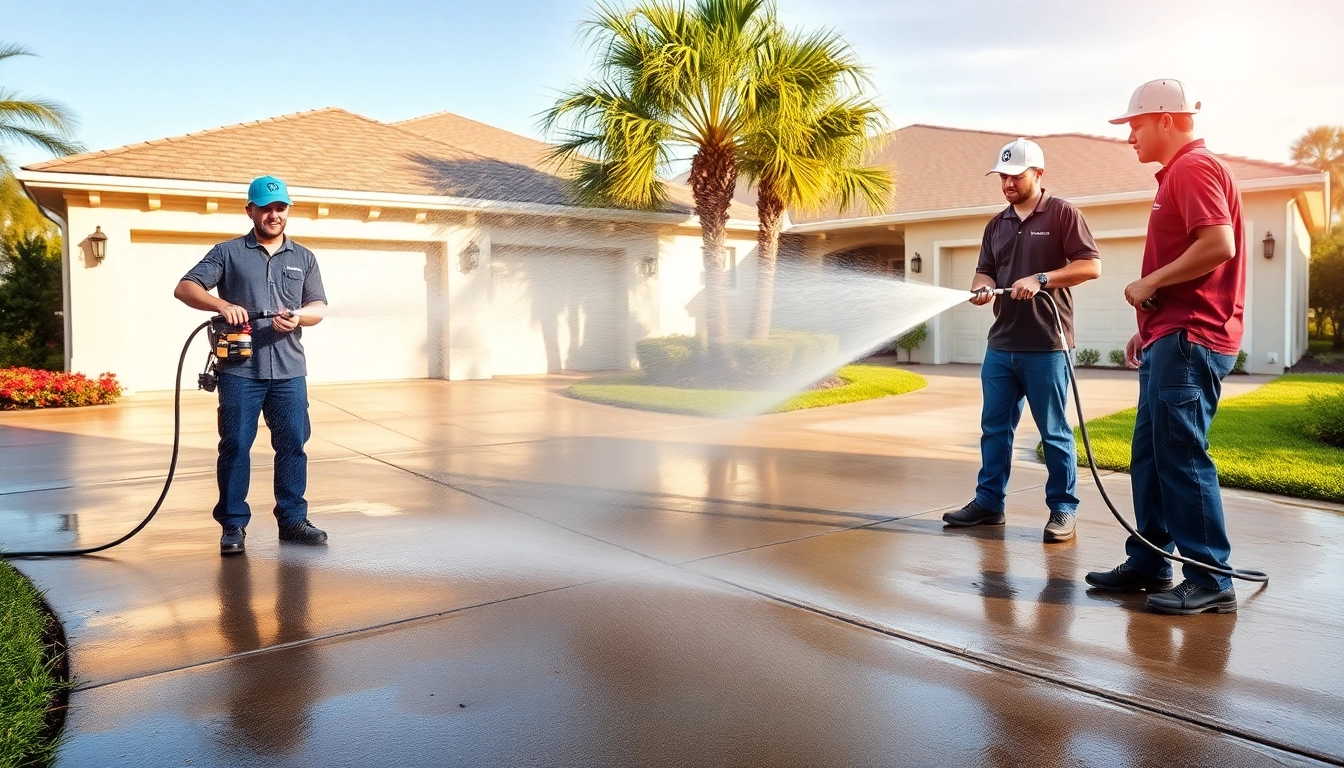
Understanding Driveway Pressure Washing
Driveway pressure washing is an essential maintenance practice that not only enhances the curb appeal of your property but also extends the lifespan of your driveway. Regular cleaning helps remove oil stains, dirt buildup, and organic growth, ensuring that your driveway looks pristine while also preventing structural damage. At Full Pressure Powerwash, we know that a clean driveway contributes significantly to the overall aesthetic appeal of your home, and our Driveway pressure wash services are designed to bring out the best in your property’s outer appearance.
What is Driveway Pressure Wash?
Driveway pressure washing involves the use of high-pressure water spray to clean surfaces, effectively removing grime, dirt, and stains. This process often employs specialized equipment that can handle various types of contaminants found on driveways, including mold, mildew, algae, and oil spots. The technique is ideal for a range of driveway materials, including concrete, asphalt, and pavers, enabling homeowners to achieve a deep and thorough clean.
Benefits of Professional Driveway Cleaning
Investing in professional driveway pressure washing comes with numerous benefits:
- Enhanced Aesthetic Appeal: A clean driveway significantly boosts your home’s curb appeal, creating a welcoming environment for visitors and potential buyers.
- Increased Property Value: Regular maintenance, including driveway cleaning, can increase the overall value of your property, making it more attractive on the real estate market.
- Prevention of Damage: Accumulated dirt and stains can cause irreversible damage if left unattended. Professional cleaning helps prevent deterioration and costly repairs.
- Health Benefits: Removing mold and mildew can improve the overall health of your home, reducing allergens and respiratory issues for you and your family.
Common Driveway Stains and Their Solutions
Driveways can accumulate a variety of stains over time. Here are some common types and how professional cleaning can address them:
- Oil Stains: These are often caused by leaking vehicles and can be difficult to remove. A hot water pressure wash combined with appropriate detergents is effective in breaking down oil.
- Rust Stains: Rust from metal objects can leave marks on concrete. Specialized rust-removing agents can be employed during the cleaning process.
- Mold and Mildew: These organic growths thrive in humid conditions and can lead to slippery surfaces. A soft wash technique is used to ensure they are safely eliminated.
- Algae: Algae can make driveways look unkempt. A high-pressure wash with biocide solutions will effectively kill algae spores.
Choosing the Right Equipment for Driveway Pressure Washing
Essential Tools for Effective Cleaning
To achieve optimal results in driveway pressure washing, having the right equipment is crucial. Some essential tools include:
- Pressure Washer: Choose a unit with at least 2,500 PSI for effective cleaning of concrete or asphalt driveways.
- Surface Cleaner Attachment: This tool helps evenly distribute the cleaning power across flat surfaces, making it more efficient and reducing streaks.
- Detergents: Using the right cleaning agents can enhance the cleaning process, ensuring deep stain removal while protecting the surface.
- Safety Gear: Protect yourself with gloves, goggles, and appropriate clothing to avoid any accidents during the cleaning process.
Gas vs. Electric Pressure Washers: Which is Best?
When choosing between gas and electric pressure washers, consider the following:
- Gas Pressure Washers: Generally more powerful, they are better for larger jobs or stubborn stains. They require more maintenance but offer greater mobility.
- Electric Pressure Washers: Typically quieter and easier to operate, they are suitable for smaller tasks and residential use. They are also lighter and often require less maintenance.
Safety Gear and Precautions for DIY Pressure Washing
When pressure washing, safety should be your top priority. Here are necessary precautions:
- Wear Protective Gear: Use safety goggles, gloves, and sturdy footwear to protect against water splashes and debris.
- Survey the Area: Check for any loose items or hazards around your driveway that may become dangerous projectiles.
- Read Instructions: Before using the pressure washer, familiarize yourself with its operation to avoid damage to the equipment and injury to yourself.
Step-by-Step Guide to Driveway Pressure Washing
Pre-Cleaning Preparations and Surface Assessment
Before you start pressure washing your driveway, it is essential to prepare adequately:
- Clear the Area: Remove any furniture, plants, or debris from the driveway to ensure a clear working space.
- Assess the Surface: Examine your driveway for cracks or loose materials that could be further damaged during washing.
- Choose the Right Time: Select a dry day to avoid washing in high humidity or rain, which may affect the cleaning solution’s efficacy.
Techniques for Stubborn Stains and Dirt Removal
For effective cleaning, follow these techniques:
- Pre-Treatment: Apply a suitable cleaner to stubborn stains and let it dwell for a few minutes to break down contaminants.
- Using the Pressure Washer: Maintain a consistent distance (typically 6-12 inches) from the surface while using a sweeping motion for even coverage.
- Focus on Edges: Use a rotary nozzle for cleaning edges effectively, which often accumulate more dirt than flat surfaces.
Post-Cleaning Care and Maintenance Tips
After pressure washing, it’s crucial to take care of your driveway to maintain its cleanliness:
- Seal the Driveway: Consider applying a sealing product once the surface is dry to protect it from stains and moisture.
- Regular Maintenance: Schedule periodic cleanings every 12 to 18 months to keep your driveway looking its best.
- Inspect Regularly: Conduct regular checks for signs of wear or damage to address any issues before they worsen.
Cost Considerations for Driveway Pressure Washing
Understanding Pricing Structures for Services
The cost of driveway pressure washing can vary depending on several factors, including the size of the driveway, the type of material, and the nature of the stains present. On average, homeowners can expect to pay between $130 and $220 for professional services.
Factors Affecting Driveway Pressure Washing Costs
Several aspects can influence the overall pricing:
- Size of the Driveway: Larger areas will naturally take more time and resources, leading to higher costs.
- Severity of Stains: More stubborn stains that require special treatment can increase the pricing.
- Accessibility: If your driveway is difficult to access, this may add to labor costs.
How to Get Accurate Quotes from Contractors
To ensure you receive fair pricing, consider the following steps:
- Request Multiple Quotes: Contact several service providers to compare pricing and services offered.
- Provide Clear Details: Clearly describe the condition of your driveway and any specific concerns to receive accurate estimates.
- Check for Certifications: Ensure that the providers are licensed and insured to avoid any unforeseen costs due to accidents or damages.
Future Trends in Driveway Pressure Washing
Sustainable Practices in Pressure Washing
As environmental concerns continue to rise, pressure washing companies are shifting towards more sustainable practices. This includes using eco-friendly detergents and water reclamation systems, which help minimize waste and environmental impact.
Innovations in Cleaning Technology for 2025
The industry is seeing advancements in equipment technology, including more efficient pressure washers that utilize less water while delivering higher cleaning power. Features such as smart technology integration allow for enhanced control and monitoring during cleaning processes.
Expert Predictions for the Industry’s Growth and Development
Experts predict continued growth in the pressure washing industry, driven by increased consumer demand for property maintenance and the rise of eco-friendly solutions. Businesses that can adapt to these trends and incorporate sustainable practices are likely to thrive.